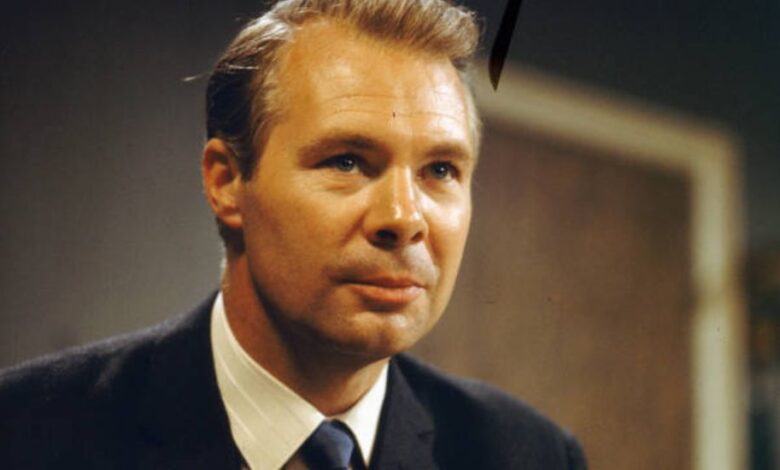
Few actors leave a quiet but lasting impression on generations of viewers. Anthony Bate was one of those rare performers whose name may not immediately spark recognition, but whose face and performances are familiar to anyone who grew up watching British television from the 1960s through the early 2000s. Known for his intelligence, poise, and understated authority, Bate crafted a career that spanned decades, becoming a respected figure in the world of drama, mystery, and espionage.
At Nex Spire, we celebrate actors like Bate not only for their roles but also for the dedication they bring to their craft. His journey offers a glimpse into the world of classic television and the subtleties of an actor who thrived in supporting roles while leaving an indelible mark on every production.
Anthony Bate Early Life and Family Background
Anthony Bate was born on 31 August 1927 in Stourbridge, Worcestershire, England. His early years were shaped by a grounded upbringing, where community values and education played a pivotal role. During his late teens, he moved to the Isle of Wight, a period that coincided with the aftermath of World War II. Like many young men of his generation, he completed National Service, gaining discipline and life experience that would later inform his acting career.
From a young age, Bate displayed a fascination with performance. He participated in amateur dramatics and local theatre, quickly realising that acting was more than a hobby — it was a calling. His dedication led him to formal training, honing the skills and techniques that would become the hallmark of his performances. The blend of life experience, education, and early-stage work gave him the versatility to play a wide range of characters, from stern authority figures to nuanced, complex individuals.
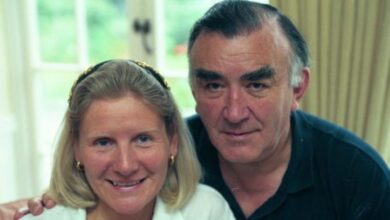
Family Life: Diana Fay and Their Children
Anthony Bate’s personal life was rooted in stability and family. In May 1954, he married Diana Fay, also known as Diana Fay Watson. Their marriage spanned more than fifty years, enduring through the peaks and valleys of a demanding acting career. Together, they raised two sons:
- Gavin Watson Bate, born 1961
- Mark Hewitt Bate, born 1963
Bate was known for keeping his personal life private. He rarely shared details about his family in interviews, instead letting his work speak for itself. However, those close to him remember him as a devoted husband and father, balancing a busy career with a stable home life.
Career Overview: A Lifetime in Television and Film
Anthony Bate’s career spanned over five decades, beginning in the early 1950s and continuing until the mid-2000s. He was a versatile character actor, known for his ability to deliver calm, intelligent, and authoritative performances. Though he rarely held the title role, his presence added depth and gravitas to every production he joined.
Early Television Roles
Bate’s early television work included appearances on some of the era’s most popular and enduring series. These roles allowed him to build a reputation as a reliable and capable actor, often portraying authority figures or professional characters. Notable early credits included:
- The Avengers, a 1960s spy series
- The Saint, a blend of action and mystery
- Dixon of Dock Green, a long-running police procedural
- Crown Court, a courtroom drama
While some of these roles were brief, they were instrumental in establishing his career. Bate’s natural poise and understated style made him a go-to choice for directors seeking an actor who could convincingly convey authority and intelligence.
Breakthrough Role: Tinker Tailor Soldier Spy
For many viewers, Bate’s most memorable work came with the 1979 BBC adaptation of Tinker Tailor Soldier Spy, based on the celebrated John le Carré novel. In this highly acclaimed series, he portrayed Sir Oliver Lacon, a senior civil servant navigating the treacherous world of espionage during the Cold War.
This role showcased Bate’s subtlety and precision as an actor. Unlike the flashy leads of modern drama, Bate excelled in quiet intensity. His ability to convey tension and internal conflict without overt dramatics was a testament to his skill and understanding of character-driven storytelling.
Continuing the Spy Narrative: Smiley’s People
A few years later, Bate reprised his role as Oliver Lacon in the sequel Smiley’s People (1982). This continuation of the espionage saga reinforced his reputation as a dependable and nuanced performer, capable of handling complex storylines and layered characters. His performance demonstrated that supporting actors can have an enduring impact on a story, often providing the moral or intellectual anchor around which other characters revolve.
Other Notable Television Work
Beyond spy dramas, Bate was a frequent presence in British television, appearing in series that have become cultural touchstones:
- Inspector Morse, where he contributed to the series’ intelligent and layered mysteries
- A Touch of Frost, a long-running police procedural
- Prime Suspect, a groundbreaking crime drama
- Midsomer Murders, a series known for its darkly comic take on English village life
- Poirot, the classic Agatha Christie adaptations
His ability to move seamlessly between genres — from spy drama to crime procedural — demonstrated his adaptability and wide-ranging talent.
Film and Stage Contributions
While television dominated Bate’s career, he also had significant contributions in film and stage. His cinematic credits included:
- Dentist in the Chair (1960)
- Dentist on the Job (1961)
- Nowhere in Africa (2001), an Oscar-winning foreign-language feature
Additionally, Bate’s early stage work, including performances in West End productions, helped refine his craft. The combination of theatre discipline and screen experience gave him a depth that was evident in every role he took on.
Anthony Bate Net Worth and Recognition
Anthony Bate’s financial standing remains largely private. While some online sources attempt to estimate his net worth, there is no verified public record. Actors of his era, who primarily worked in supporting roles on television and film, typically earned consistent income without reaching the level of international celebrity that brings publicly reported wealth.
Think of it like a professional in any respected career: steady work over decades can provide comfort and stability, but the specifics of income and assets often remain private. For Bate, the true measure of his success was his craft, reputation, and the respect he earned from colleagues and audiences alike.
Acting Style and Legacy
Anthony Bate’s signature qualities as an actor included:
- Calm, measured presence
- Precise, controlled delivery
- An air of authority and intelligence
These traits made him ideal for roles requiring subtlety and gravitas. He was often cast as officials, professionals, and figures whose presence carried weight without drawing attention to themselves.
In many ways, Bate exemplifies the value of the supporting actor. Just as a skilled pianist can support a soloist without overshadowing them, Bate’s performances enhanced the work of leads, making the stories richer and more compelling.
Later Years and Passing
Bate continued working steadily into the early 2000s, with his final credited screen roles appearing around 2005. On 19 June 2012, at the age of 84, he passed away after a brief illness at St Mary’s Hospital on the Isle of Wight.
His passing marked the end of a quiet but significant chapter in British television history. Though he was not a global celebrity, his work left an enduring mark on fans of classic drama, crime series, and spy narratives. His performances continue to be studied and appreciated for their subtlety and professionalism.
Conclusion
Anthony Bate’s career may not have been defined by flashy headlines or tabloid fame, but it was defined by consistency, intelligence, and craft. From his early stage work to iconic roles in Tinker Tailor Soldier Spy and beyond, he demonstrated the enduring value of actors who can elevate a story without demanding the spotlight.
Bate’s legacy is a reminder that great acting often resides in the quiet, measured performances that make stories believable and engaging. For those interested in classic television and film, his work remains a benchmark for subtlety, dedication, and authenticity — a legacy well worth remembering.
I’m James, the author of this article, with over 5 years of experience in celebrity news. I wrote this piece to share my insights and expertise directly with you.
Frequently Asked Questions (FAQs)
1. Who was Anthony Bate?
Anthony Bate was a British actor known for his long career in television, film, and stage. He is best remembered for his role as Sir Oliver Lacon in Tinker Tailor Soldier Spy and Smiley’s People.
2. How old was Anthony Bate when he died?
Anthony Bate passed away on 19 June 2012 at the age of 84 after a brief illness.
3. What are some of Anthony Bate’s most famous TV shows and movies?
He appeared in classic British dramas such as Inspector Morse, A Touch of Frost, Prime Suspect, and Poirot. His notable film credits include Dentist in the Chair, Dentist on the Job, and Nowhere in Africa.
4. Who were Anthony Bate’s children?
Anthony Bate and his wife Diana Fay had two sons: Gavin Watson Bate and Mark Hewitt Bate.
5. What made Anthony Bate distinctive as an actor?
Bate was known for his calm and controlled presence, intelligence, and subtle authority. He excelled in supporting roles, bringing depth and credibility to every character he portrayed.