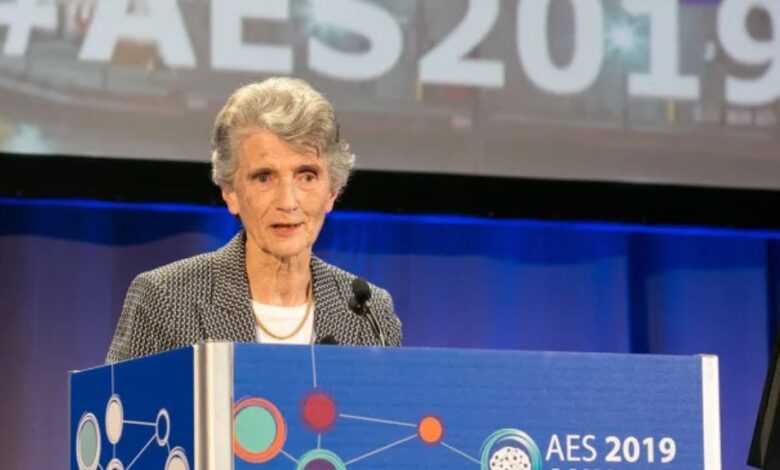
Angela Vincent stands among the most influential neuroscientists of the modern era, known for reshaping our understanding of how the immune system interacts with the nervous system. From her academic roots in medical studies to her lifetime of research at the University of Oxford, Vincent’s work has transformed previously unexplained neurological conditions into diagnosable and treatable diseases. Her legacy extends beyond the laboratory to awards named after her, global recognition, and even notable family connections, including her son Geraint Vincent, a distinguished British journalist.
Angela Vincent – Quick Biography
| Field | Details |
|---|---|
| Full Name | Angela Carmen Vincent |
| Birth Year | 1942 |
| Nationality | British |
| Profession | Neuroscientist, Neuroimmunologist, Professor |
| Education | Medicine at King’s College London; MSc in Biochemistry, University College London |
| University | University of Oxford |
| Position | Emeritus Professor of Neuroimmunology; Fellow of Somerville College |
| Known For | Research on autoimmune neurological diseases, including myasthenia gravis and limbic encephalitis |
| Major Awards | Fellow of the Royal Society (FRS), British Neuroscience Association Award, Klaus Joachim Zülch Prize, World Federation of Neurology Award |
| Research Publications | Hundreds of peer-reviewed articles (Google Scholar profile available) |
| Online Presence | Academic profiles; no verified public social media |
| Family | Married to Philip Morse Vincent; mother of Geraint Vincent |
| Legacy | Pioneer in neuroimmunology; inspired global neuroscience research and clinical treatments |
Who Is Angela Vincent? – Early Life and Education
Born in 1942 in Woking, England, Angela Carmen Vincent pursued medicine at King’s College London before training at Westminster Hospital Medical School (now part of Imperial College London). After one year as a junior doctor, she shifted her focus toward biochemical research, completing an MSc in biochemistry at University College London.
Her early career was devoted to basic scientific investigation — particularly the study of acetylcholine receptors — which laid the groundwork for her future breakthroughs in neuroimmunology. Working closely with leading scientists like Ricardo Miledi, and later collaborating with neurologist John Newsom-Davis, Vincent helped establish a new niche in biomedical research: the study of autoantibodies and neurological diseases.
Academic Career at Oxford – Angela Vincent Oxford
Angela Vincent’s reputation flourished when she moved to the University of Oxford, where she co‑founded the neuroscience research group that would later become the Oxford Neuroimmunology Service. Her roles over the years included:
- Emeritus Professor of Neuroimmunology at the University of Oxford
- Emeritus Fellow of Somerville College
- Former Head of the Department of Clinical Neurology (2005‑2008)
- President of the International Society of Neuroimmunology
- Associate Editor of the academic journal Brain
Through this long and distinguished tenure, Vincent helped build one of the world’s leading centres for neurological antibody research and diagnosis. The Clinical Neuroimmunology service she established at Oxford became an international referral centre for neurologists around the globe seeking to diagnose rare and complicated autoimmune neurological disorders.
Groundbreaking Research and Scientific Contributions
Angela Vincent’s research has fundamentally improved the scientific understanding of autoimmune neurological disease. Her major contributions include:
Discovery of Autoantibody‑Mediated Diseases
Vincent’s lab identified how specific autoantibodies attack proteins at nerve‑muscle junctions. This led to a deeper understanding of conditions like myasthenia gravis — a disease characterized by muscle weakness due to immune system attacks on neuromuscular transmission. Her work specifically highlighted autoantibodies against:
- Muscle‑specific kinase (MuSK)
- Glycine receptors
- Ion channel complex‑associated proteins such as LGI1, CASPR2, and Contactin‑2
Autoimmunity in the Central Nervous System
Perhaps one of her most impactful insights was showing that autoantibodies also target the central nervous system (CNS), causing disorders such as limbic encephalitis, memory loss syndromes, seizures, and psychiatric changes. By identifying these autoantibodies, Vincent’s research enabled early diagnosis and effective immunotherapy, turning previously devastating diseases into manageable conditions.
Maternal Antibodies and Fetal Development
Another pioneering aspect of her research demonstrated that maternal autoantibodies can cross the placenta, potentially causing neuromuscular and neurodevelopmental abnormalities in unborn children. This has opened new avenues in understanding not just autoimmune diseases, but also their developmental effects.
Angela Vincent Google Scholar and Publications
Angela Vincent’s academic output is both prolific and highly cited. Her research articles span multiple decades and hundreds of peer‑reviewed studies published in prestigious scientific journals like Nature Medicine, Brain, JAMA Neurology and others. Many of these publications focus on autoimmune mechanisms underlying neurological diseases and the clinical implications of identifying pathological autoantibodies.
A Google Scholar search for Angela Vincent yields hundreds of key research publications, many of which are foundational references in the field of neuroimmunology and neurological immunopathology. These works continue to inform both clinical practice and ongoing research into autoimmune neurological disorders.
Awards and Honors – Angela Vincent Award and Recognition
Angela Vincent’s scientific excellence has been recognized with numerous prestigious awards, cementing her status as a leading authority in neuroscience and immunology. Her accolades include:
Major Awards and Honors
- British Neuroscience Association Outstanding Contribution Award (2016) — for advancing understanding and treatment of autoimmune neurological disorders worldwide.
- Klaus Joachim Zülch Prize (2018) — shared with other leaders in translational neuroscience.
- American Epilepsy Society Clinical Science Research Award (2019) — recognizing excellence in epilepsy‑related research.
- Association of British Neurologists Medal (2009) and World Federation of Neurology Scientific Contributions Award (2017)
- Elected Fellow of the Academy of Medical Sciences (FMedSci) and Fellow of the Royal Society (FRS) — among the highest scientific honors in the UK.
The Angela Vincent Award
In recognition of her impact on global neurology, the World Federation of Neurology (WFN) established the Angela Vincent Award — presented to outstanding young neurologists and early‑career investigators at the World Congress of Neurology. This honor reflects her legacy and influence on future generations of scientists and clinicians.
Is There an Angela Vincent Facebook or Online Presence?
Despite her considerable scientific influence, there is no verified public Facebook profile or broad social media presence directly attributable to Angela Vincent. Her online footprint is primarily academic — through university profiles, published papers, and professional society mentions — rather than personal social media accounts.
A standard search reveals her presence through platform search results (e.g., Google Scholar, scholarly databases), but nothing that resembles an officially endorsed Facebook or social platform page held by the professor herself.
Geraint Vincent: Family Connection
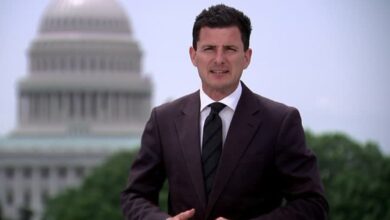
In addition to her scientific legacy, Angela Vincent’s personal life also intersects with public prominence through her son, Geraint Vincent. Geraint followed a distinguished career in journalism, working as a British news correspondent with major reporting assignments for television, including coverage of international events and conflict zones.
Though Geraint’s professional focus is entirely different from his mother’s scientific pursuits, his role in the media adds a notable dimension to the broader Vincent family narrative, illustrating a lineage marked by both academic and journalistic achievement.
Impact on Medicine and the Future of Neuroimmunology
Angela Vincent’s research did more than expand scientific understanding; it transformed clinical practice. Today, antibody testing and immune‑based therapies are essential tools in diagnosing and treating neurological conditions once thought untreatable or unexplained. Her work paved the way for a new class of diagnostic tests and therapeutic strategies that have improved countless lives globally.
Furthermore, her mentorship of emerging scientists, leadership roles in scientific societies, and commitment to fostering collaboration across disciplines have ensured that neuroimmunology will continue to evolve and impact future generations of neurological research.
At the heart of the scientific community, Angela Vincent’s legacy stands tall — not just in publications and professorships, but in the tangible clinical progress that stems from her discoveries. Her career is a testament to how curiosity, interdisciplinary research, and clinical relevance can combine to shift paradigms in medicine and neuroscience.
Whether in her laboratory at Oxford, through the awards that now bear her name, or in the next generation of neurologists she has inspired, Professor Angela Vincent’s name will remain deeply woven into the fabric of biomedical science — as documented and shared on Nex Spire.
FAQS
1. Who is Angela Vincent?
Angela Vincent is a British neuroscientist and neuroimmunologist, known for her pioneering research on autoimmune neurological diseases. She is an Emeritus Professor at the University of Oxford and a Fellow of Somerville College.
2. What are Angela Vincent’s major contributions to science?
She discovered how autoantibodies affect the nervous system, particularly in diseases like myasthenia gravis and limbic encephalitis, transforming the diagnosis and treatment of autoimmune neurological disorders worldwide.
3. Has Angela Vincent received any awards?
Yes, she has received numerous honors, including Fellowship of the Royal Society (FRS), British Neuroscience Association Award, Klaus Joachim Zülch Prize, and the World Federation of Neurology Scientific Contributions Award.
4. Is Angela Vincent on social media?
Angela Vincent does not have an official public social media presence, such as Facebook. Her work is mainly shared through academic publications, Oxford profiles, and scientific journals.
5. Who is Geraint Vincent in relation to Angela Vincent?
Geraint Vincent is Angela Vincent’s son. He is a British journalist and television correspondent, known for his work in news reporting and international assignments.